
Steel Truss Systems
Steel truss structures for long-span roofs: circular pipe trusses, square tube trusses, angle steel trusses and H- or I-beam trusses fabricated as roof truss systems for terminals, stations, industrial halls and exhibition centres. Pipe truss members are CNC-profiled and shop-welded in transport lengths, trial-assembled before shipping, and delivered with web members, bracing and high-strength bolts.
What This System Includes
The component families we fabricate in-house for this product line. Send a BOQ and we quote against these directly.
Circular Pipe Trusses · Angle Steel Trusses · Square Tube Trusses · H/I-Beam Trusses
Circular Pipe Members · Web Members · High-Strength Bolts (16-85mm) · Support Nodes …
Technical Specifications
| Item | Specification |
|---|---|
| Design basis | AISC 360 / EN 1993-1-1, as the project specifies |
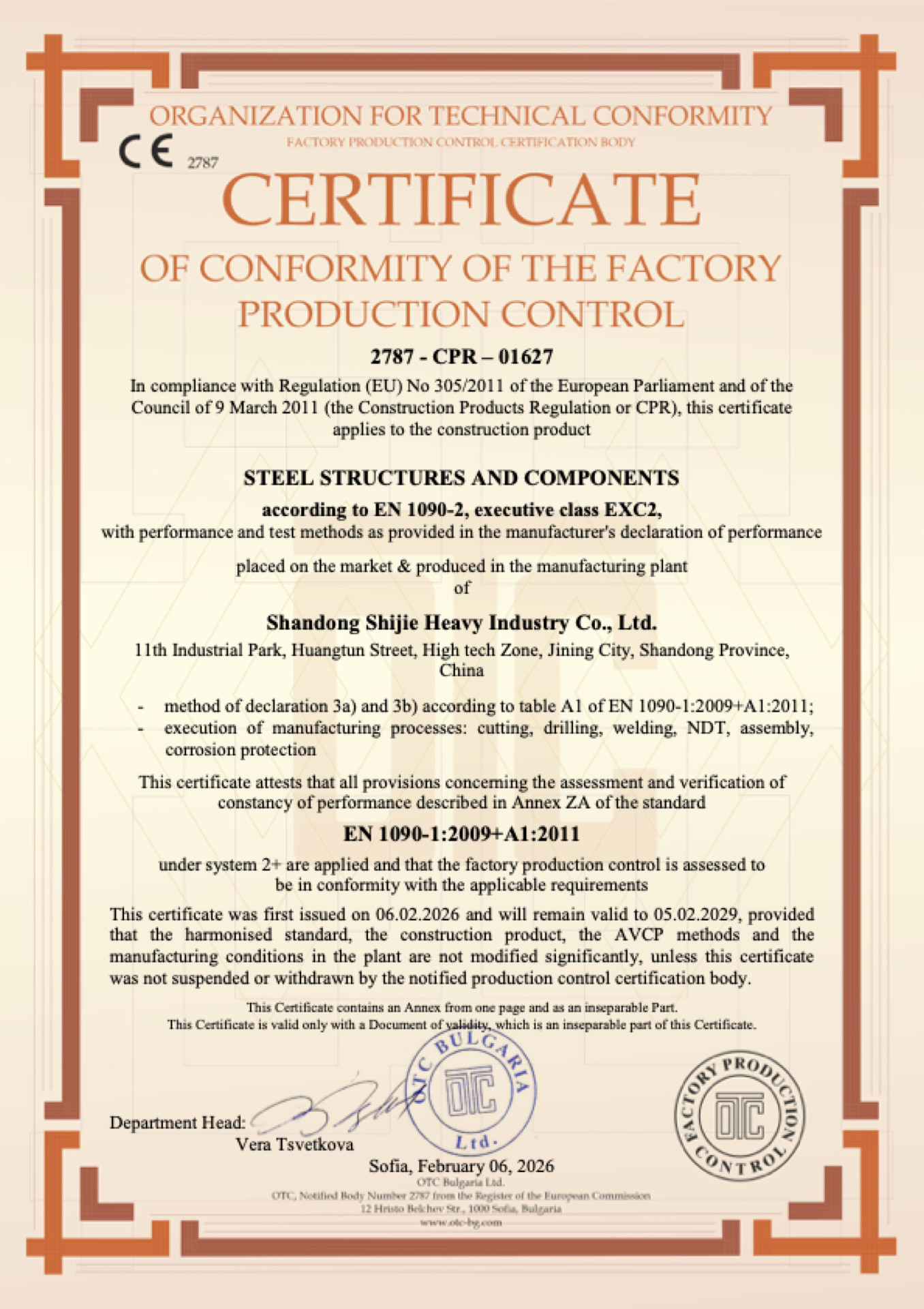
| Execution class | EN 1090-2 EXC2 (certificate 2787-CPR-01627) |
| Chord and web members | Circular and square hollow sections to EN 10219 / ASTM A500; angles and H sections to EN 10025 / ASTM A36 / A992 |
| Tubular joints | Saddle cuts CNC-profiled so the fit-up gap stays within the welding procedure tolerance |
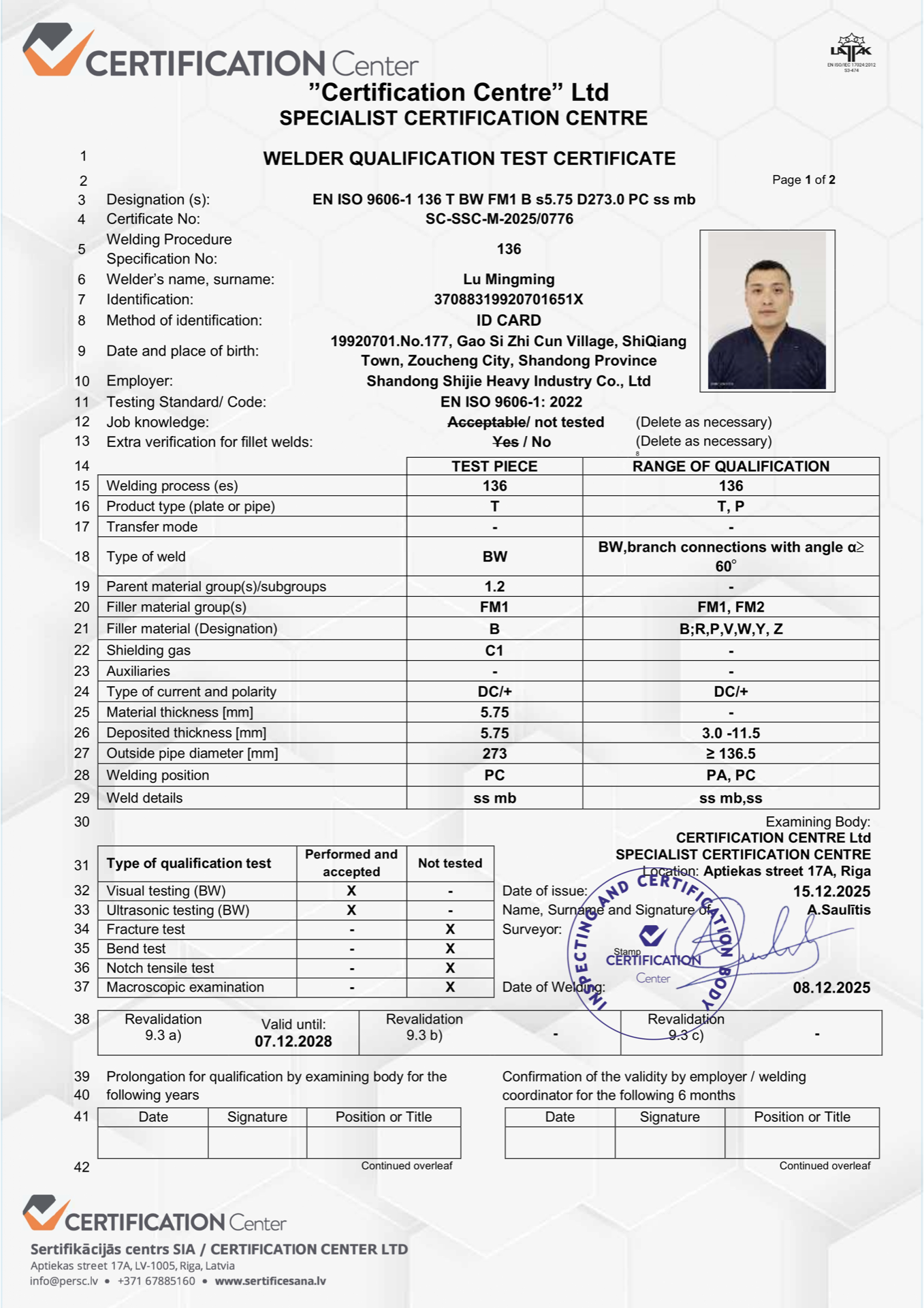
| Welding | AWS D1.1 / EN ISO 9606 qualified procedures and welders |
| NDT | 100% UT or MT on critical full-penetration welds to ISO 11666 / AWS D1.1 |
| Trial assembly | 1:1 physical trial assembly in the yard to AISC / EN 1090-2 practice: bolt hole groups checked for at least 95% free entry, span, camber and node coordinates held within ±2.0 mm, with a dimensional report and photographs before coating. |
| Bolting | High-strength bolts 16–85 mm in the grade your connection design specifies, supplied as matched assemblies with certificates |
| Corrosion protection | ISO 12944, system selected per site environment (C3–CX) |
| Documentation | MTRs, WPS/PQR, welder certificates, NDT, DFT and trial assembly reports with every shipment |
Project-specific tolerances, section sizes and load tables are issued with the quotation once your design basis is received.
Advantages vs Engineering Considerations
| Advantages | Engineering Considerations |
|---|---|
| Pipe truss for terminals and stationsCircular tubular trusses are the format specified for airport terminals, railway stations and large canopies; members are CNC profiled and fit-up is checked in the shop before shipping. | Depth-to-span ratio drives stiffness; shallow trusses deflect more and may need camber. |
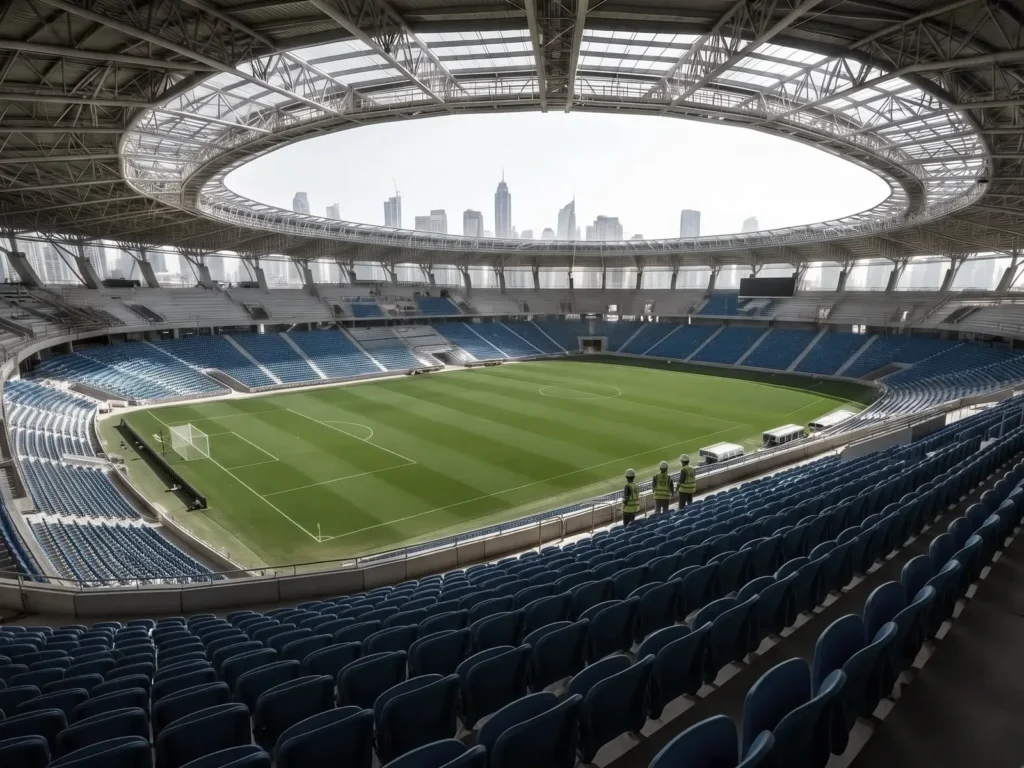
| Long-span roofs without internal columnsTruss depth and chord sections are set from your span and roof loads, giving clear halls for logistics, exhibition and sport. | Truss chords are transported in segments and spliced on site; splice positions follow transport limits. |
| Trial assembly of complex nodesTrusses with three-dimensional nodes are trial-assembled in the yard with dimensional reports before shipping. | Tubular joints depend on weld quality and inspection; closed sections are harder to repair after coating. |
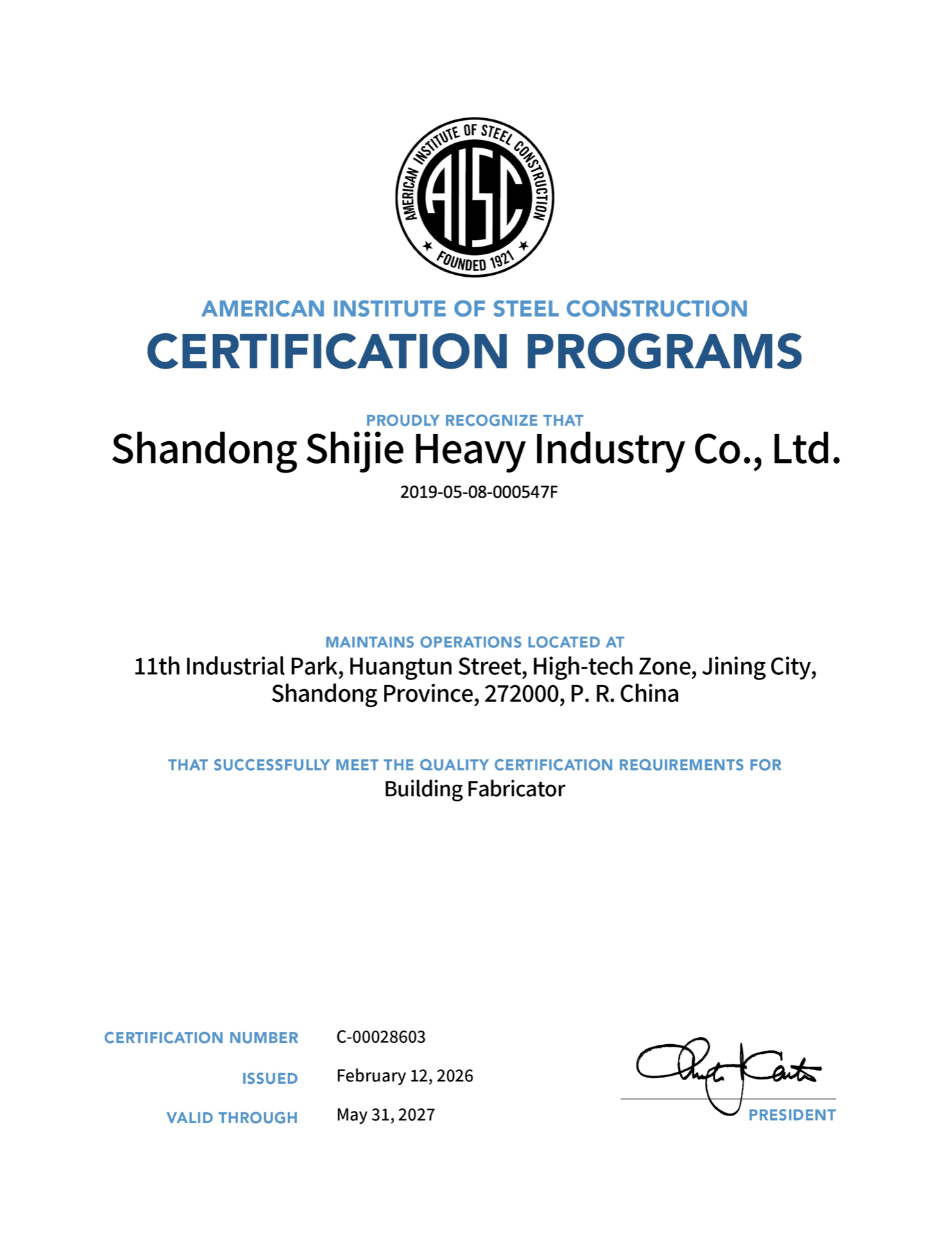
| Dual certificationAISC certified and CE marked to EN 1090-2 EXC2 under certificate 2787-CPR-01627. | Lateral bracing and purlin restraint are part of the truss design, not an afterthought. |
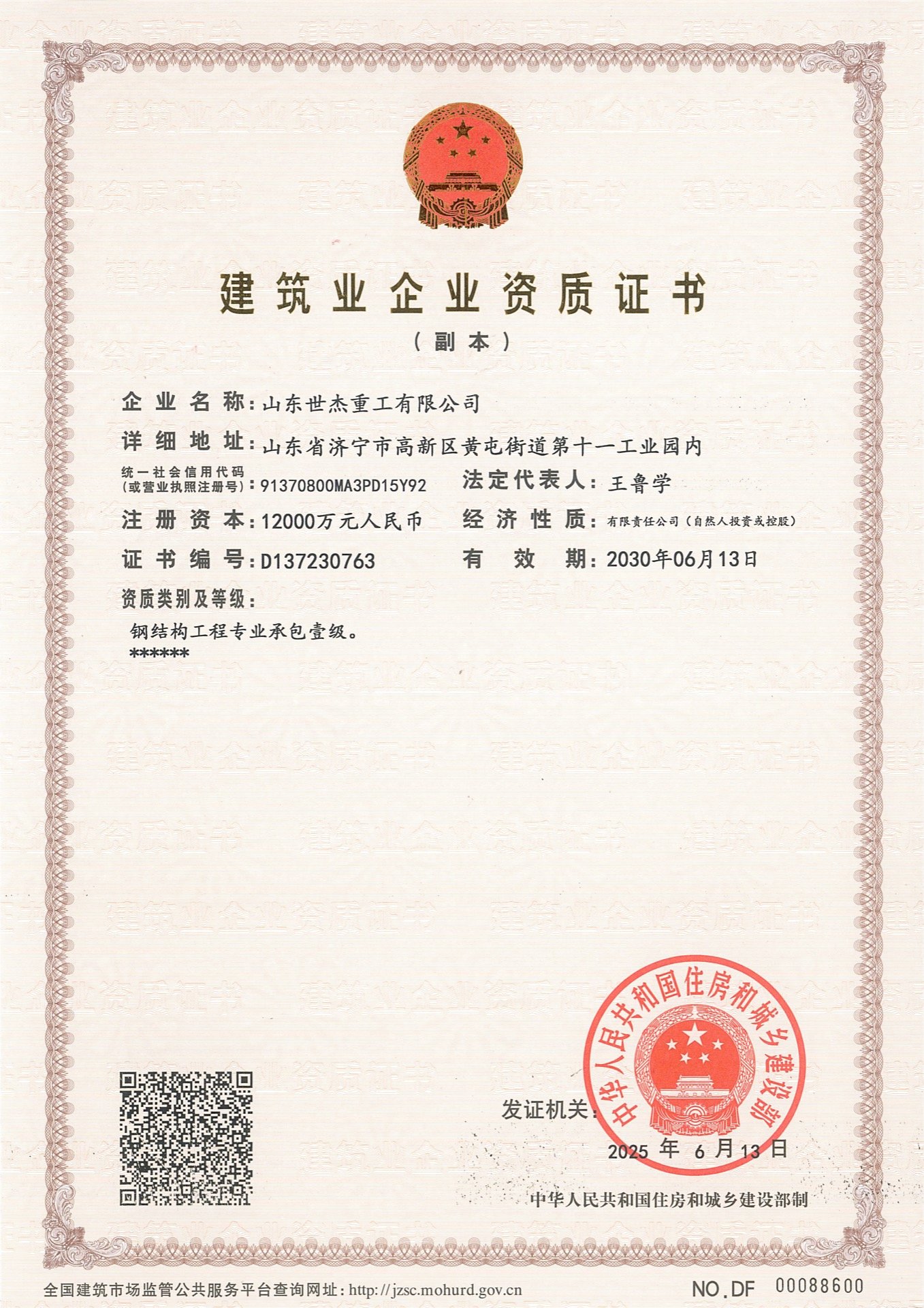
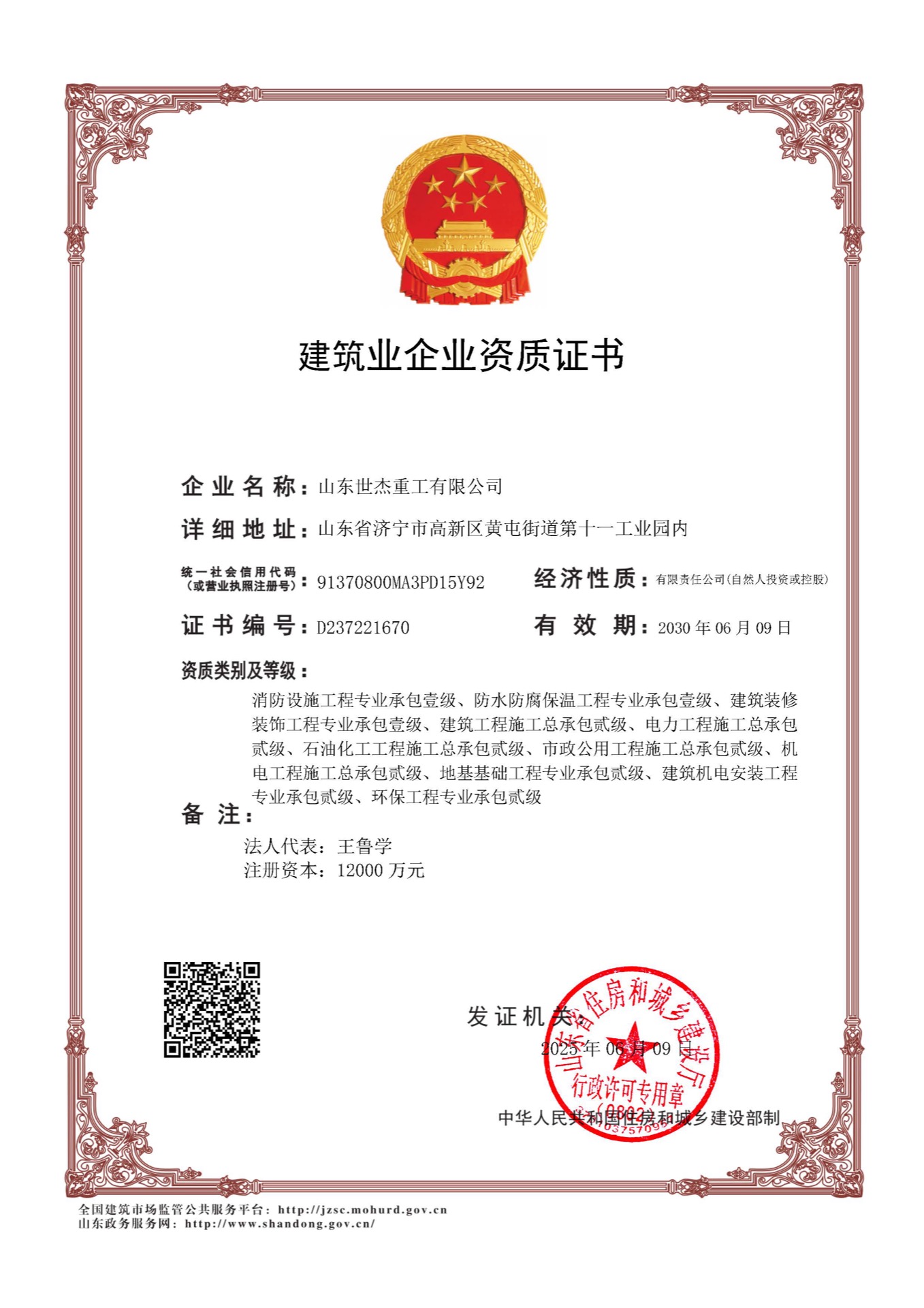
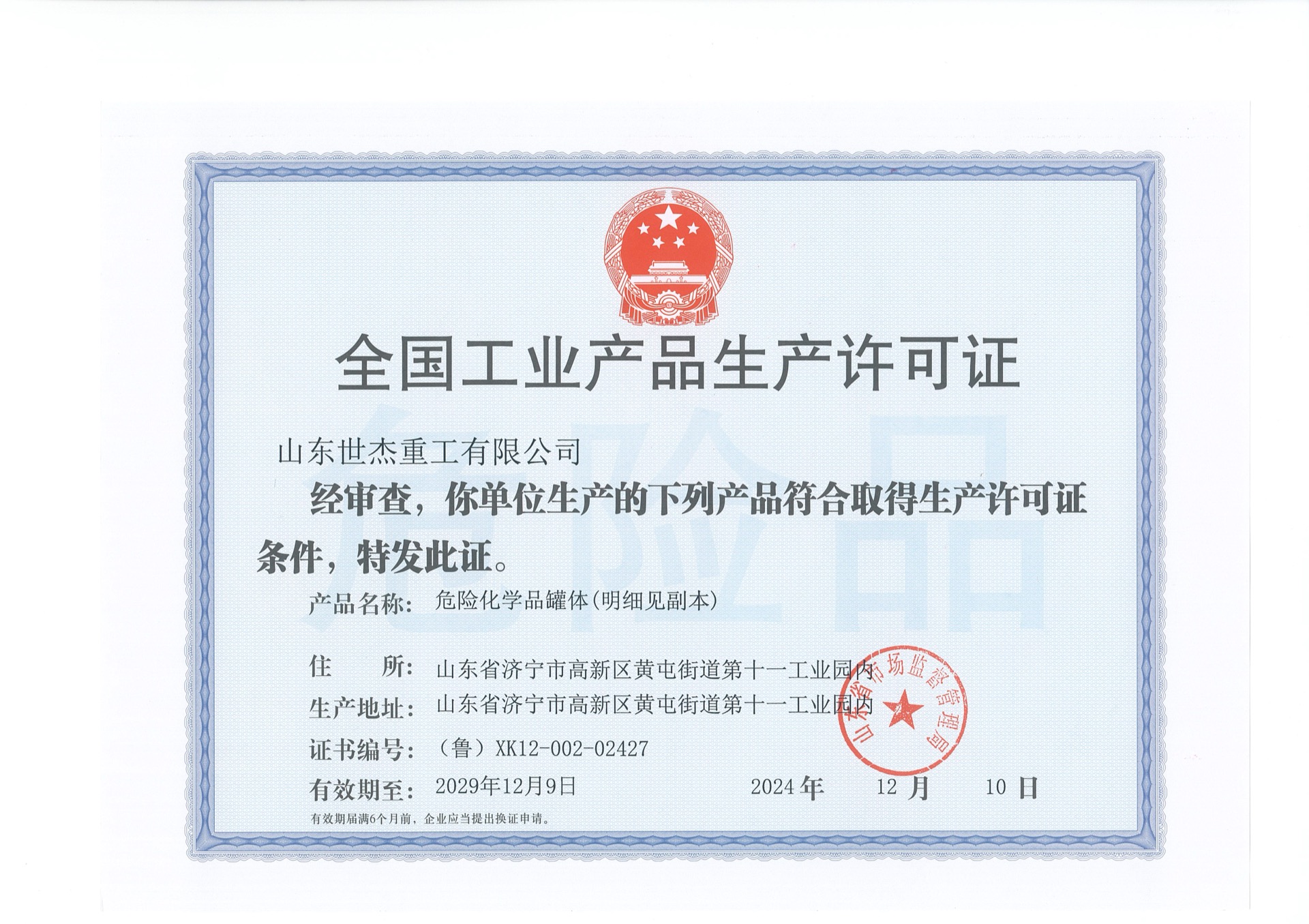
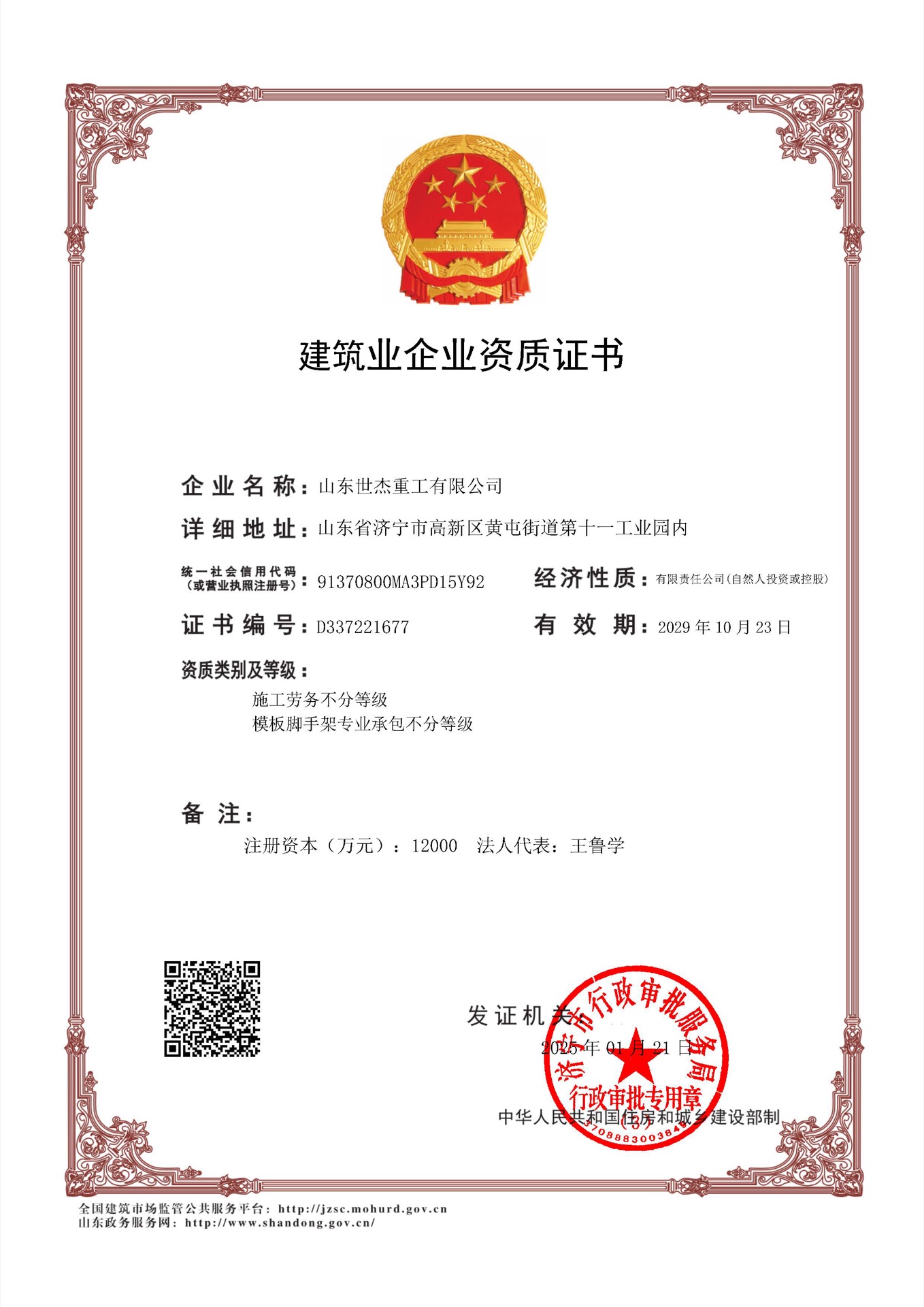
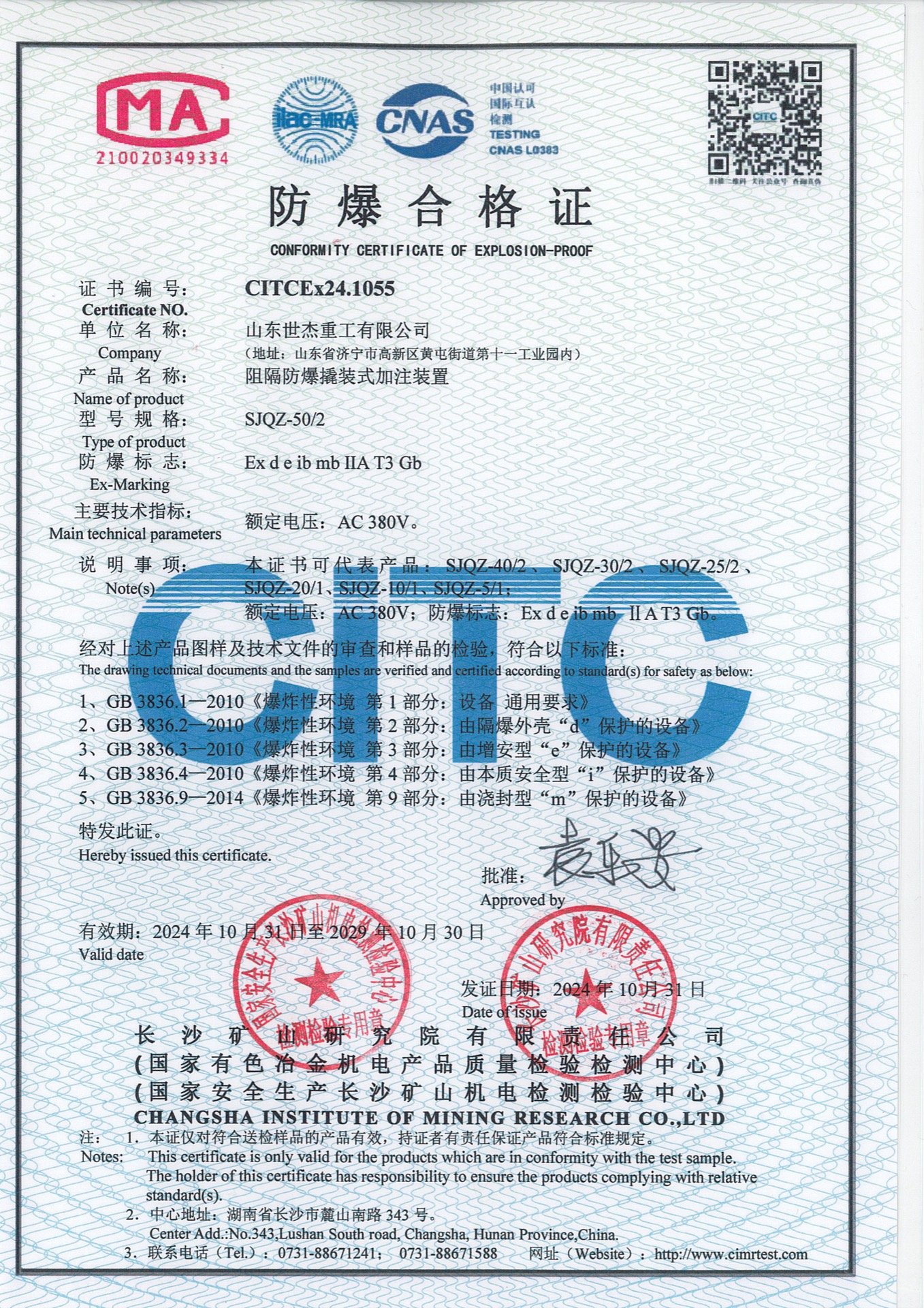
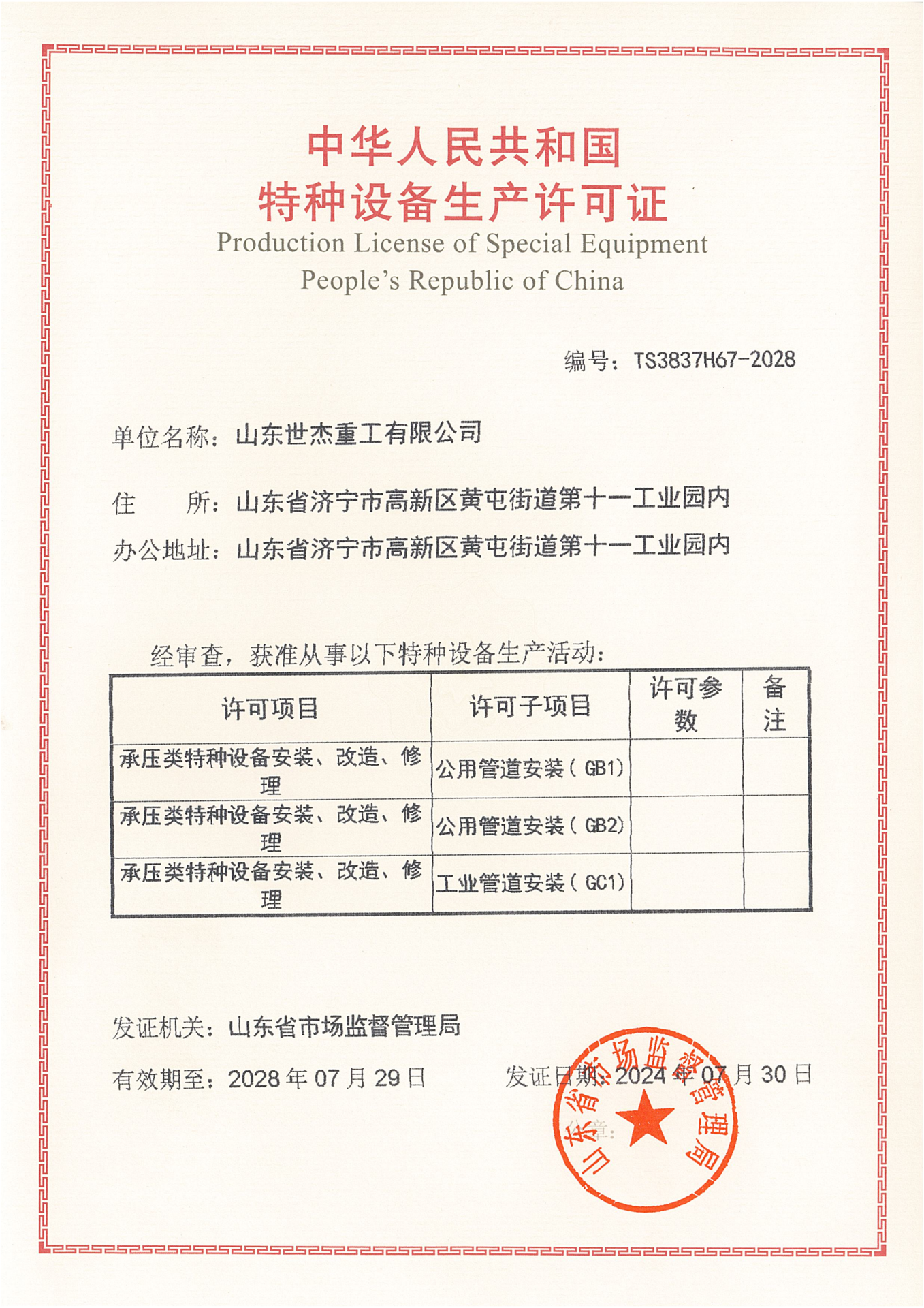
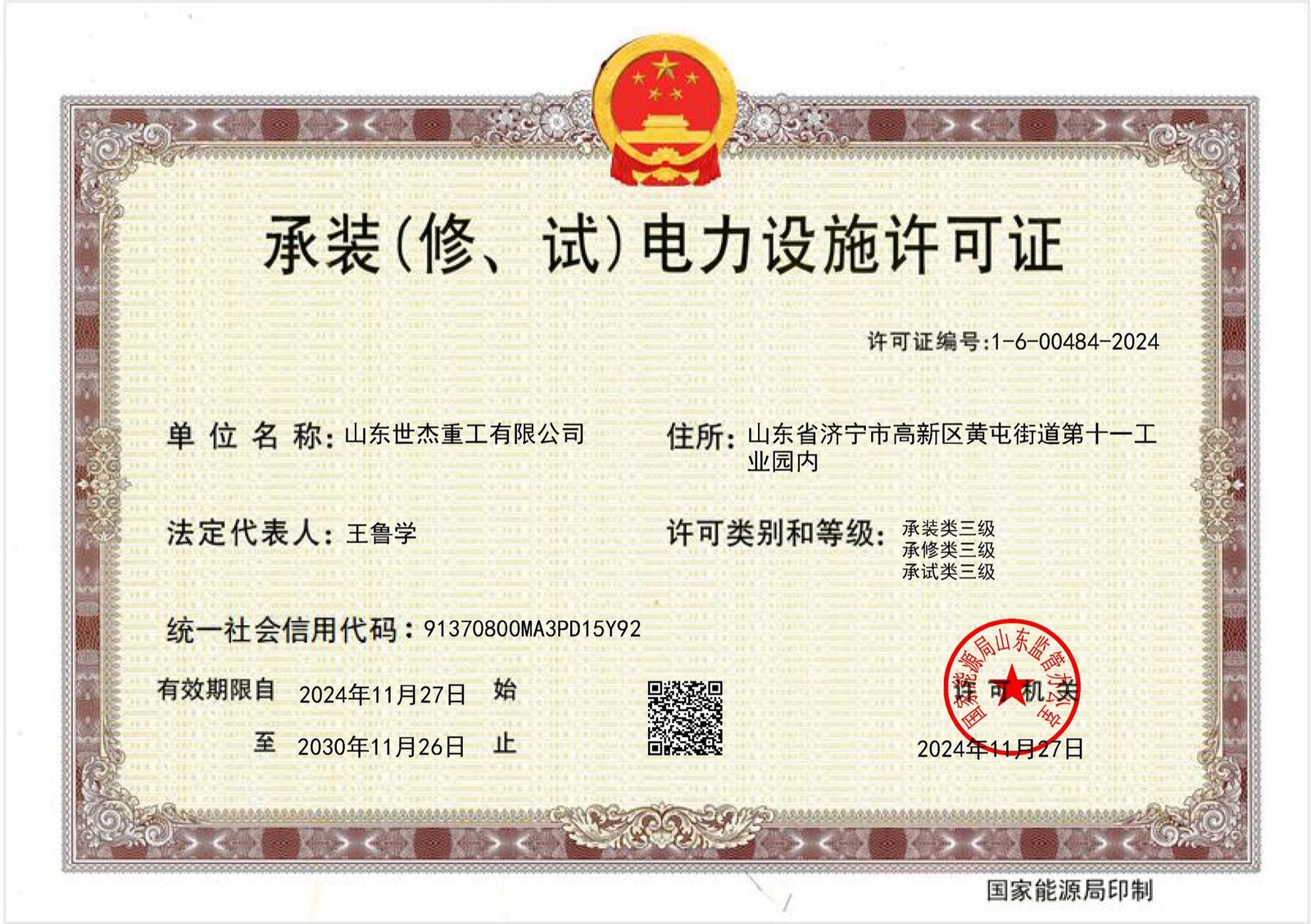
Certifications & Compliance
Every shipment leaves with the documents an auditor asks for. Scroll the row and open any certificate at full size.
Have drawings or a BOQ ready? Send them through the form and our engineers reply with a preliminary assessment.
Related Projects
Steel structures we fabricated and shipped for the same kind of building.
SynJect. Scale. Precision. Certainty.
SYNJECT delivers comprehensive steel structure solutions engineered for the global value chain. From investors seeking ROI to engineers demanding exact compliance, we transform complex blueprints into robust realities—on time and without friction.
SynJect ENGINEERING
From Microns to Megastructures — 12 Rigorous Stages Certified to AISC & EN 1090
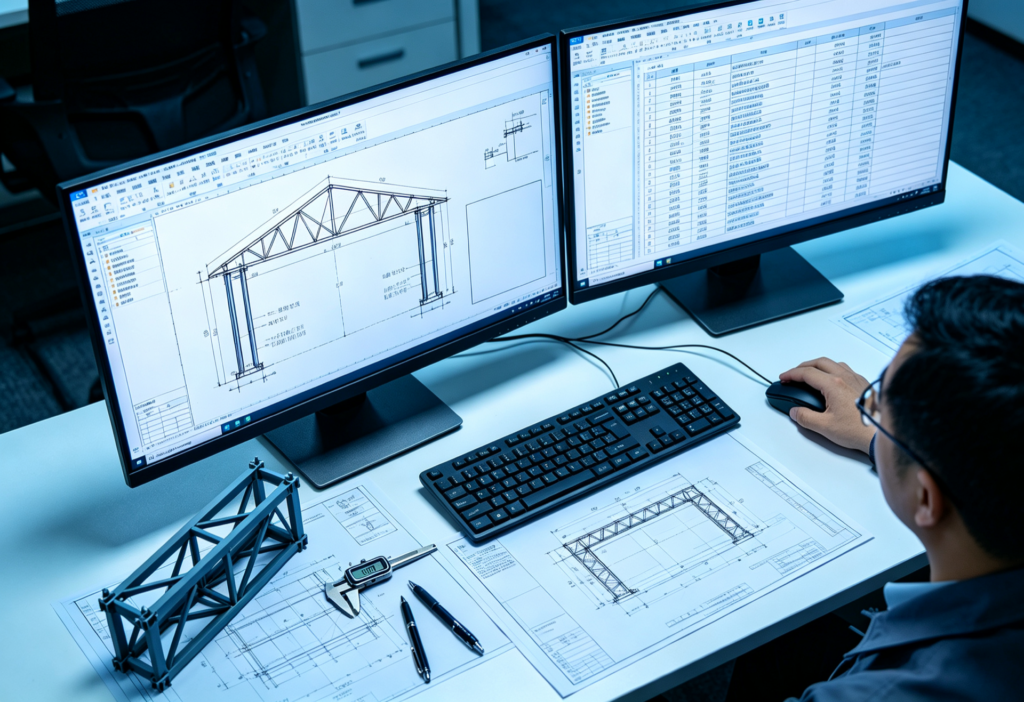
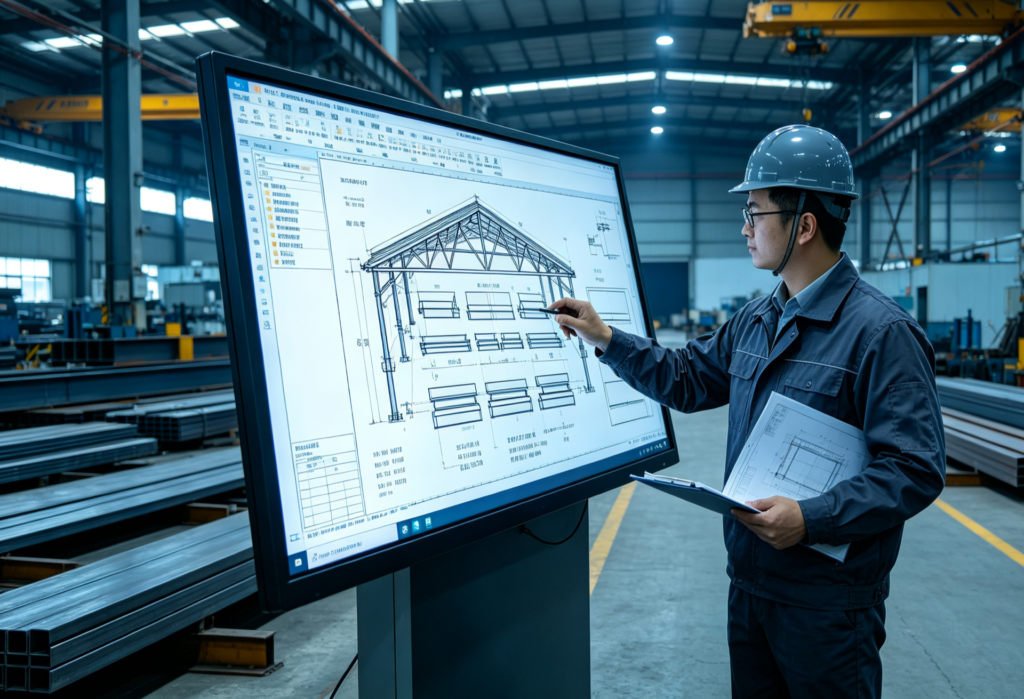

Detailed Engineering & Shop Drawing Development
Utilizing advanced BIM platforms such as Tekla Structures, detailed 3D modeling and shop drawings are executed strictly in compliance with AISC 360 or Eurocode 3 (EN 1993). Connection designs are rigorously verified, with manufacturing drawings generated to ISO 2768-m tolerance standards. 100% clash detection with primary architectural and MEP systems is performed to ensure zero structural conflicts during field erection.
Nesting & Material Optimization
Intelligent nesting layouts are performed using advanced software like FastCAM/SigmaNEST in accordance with EN 10029 / ASTM A6 dimensional standards. Accounting for cutting kerf (2mm-5mm depending on plate thickness) and thermal contraction allowances, raw material utilization exceeds 92%. Offcuts are digitally barcode-tracked to ensure 100% mill test report (MTR) traceability.
Raw Material Incoming Inspection
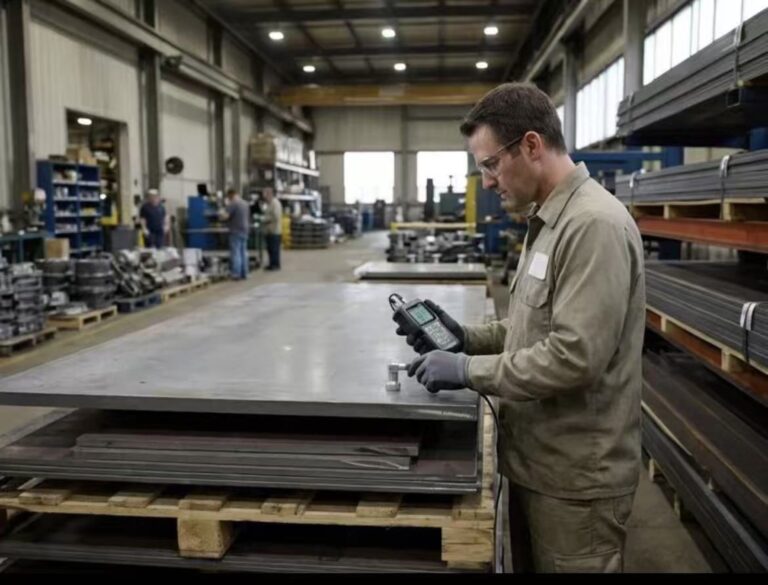
All structural steel (Q355B/C/D, ASTM A572 Gr.50, S355JR/J2) must be accompanied by EN 10204 3.1 Mill Test Reports (MTR). Incoming quality control conducts 100% dimensional and visual inspections under ASTM A6 / EN 10029, verifying thickness tolerances (Class A/B) and internal lamination integrity via Ultrasonic Testing (UT) to ASTM A435. Chemical composition and mechanical properties are spot-verified by accredited 3rd-party labs.
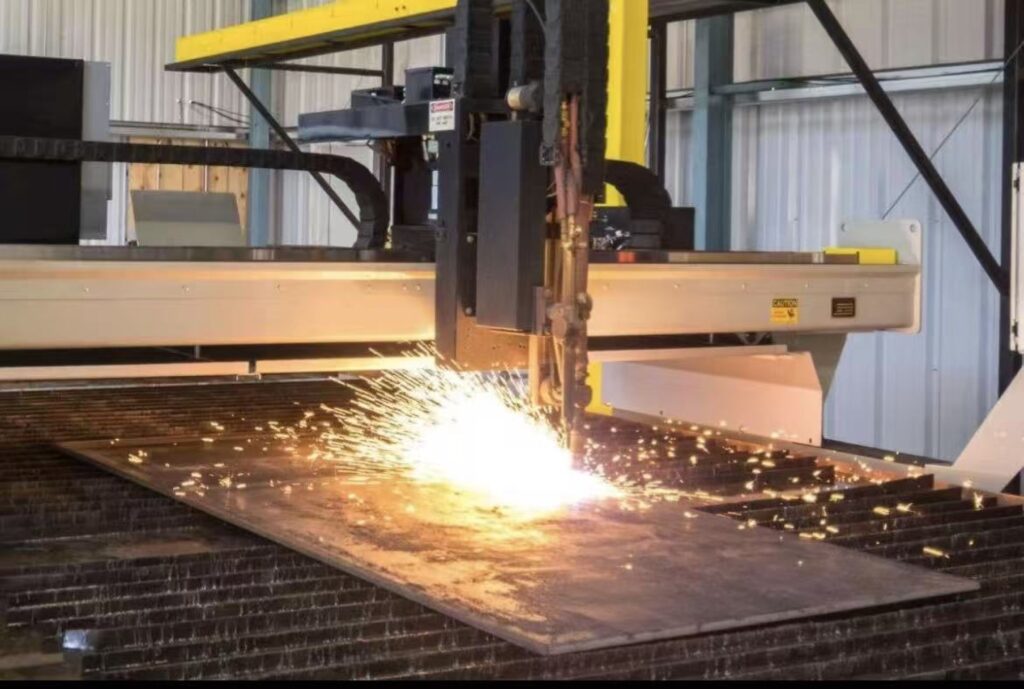
CNC Cutting & Edge Preparation
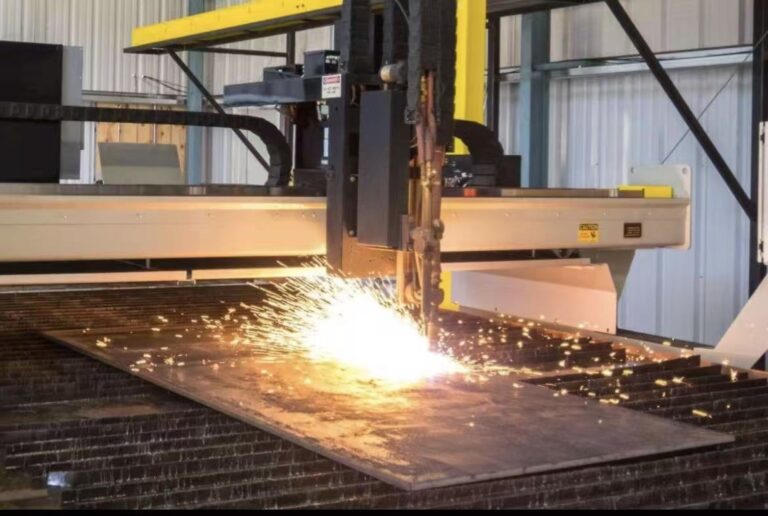
Plate profiling and component cutting are executed via CNC oxy-fuel, high-definition plasma, and multi-kW fiber laser equipment. Cut surface quality strictly complies with EN ISO 9013 for perpendicularity and surface roughness (Range 3/4 tolerance). Multi-axis CNC beveling machines execute weld prep bevel angles within ±2.5° and root face dimensions within ±1.0 mm.
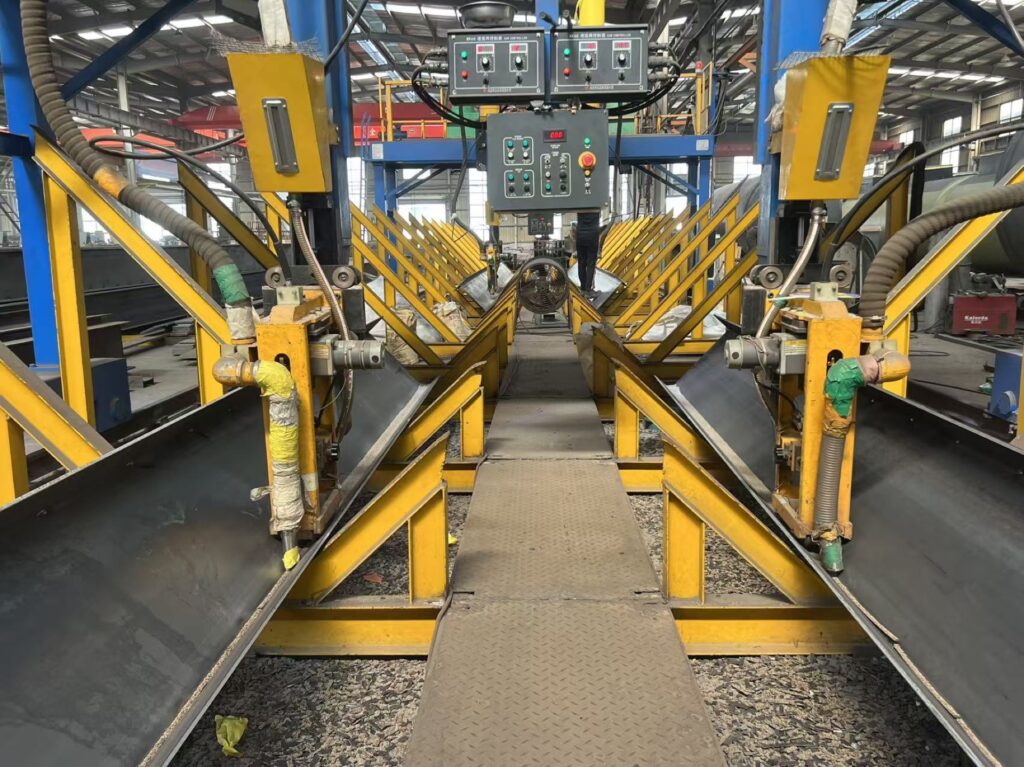
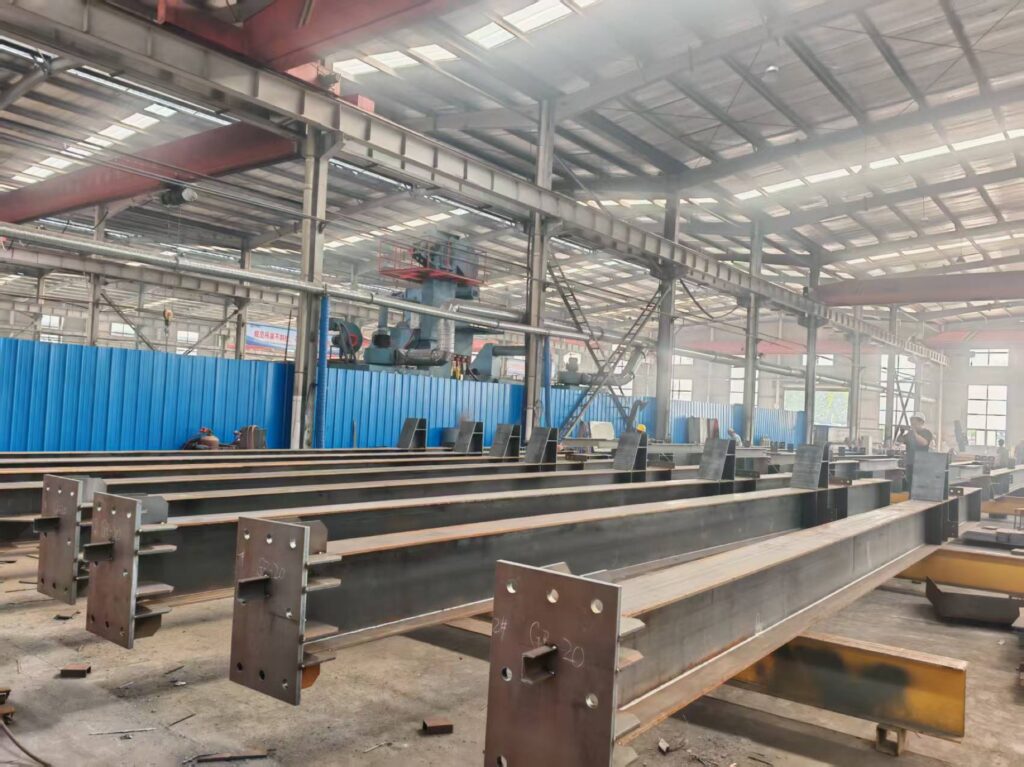
Primary Structural Welding
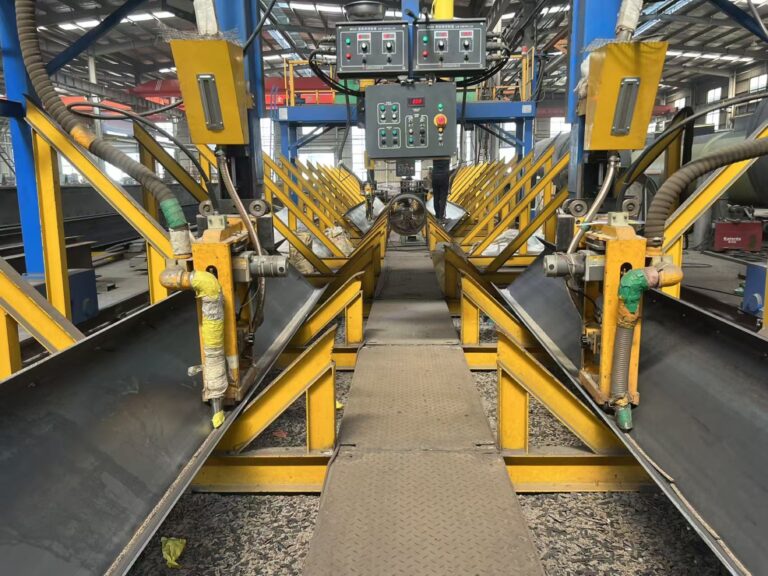
Welding is performed exclusively by AWS D1.1 or EN ISO 9606 certified welders using qualified Welding Procedure Specifications (WPS) supported by Procedure Qualification Records (PQR) per AWS D1.1 / ISO 15614. Submerged Arc Welding (SAW) and Flux-Cored Arc Welding (FCAW) dominate Complete Joint Penetration (CJP) and fillet welds. Heat input is strictly controlled, achieving weld quality levels conforming to ISO 5817 Quality Level B or AWS D1.1 standards.
Weld Distortion Straightening
Post-weld angular distortion, camber, and sweep are rectified using automated hydraulic flange straighteners and controlled thermal flame straightening. Heating temperatures for High-Strength Low-Alloy (HSLA) steels are strictly maintained between 600-650 Celsius (air-cooled, zero water quenching) to prevent microstructural degradation. Post-straightening straightness tolerances meet ±3 mm, conforming to EN 1090-2 Execution Class 2 (EXC2) and AISC COSP standards.
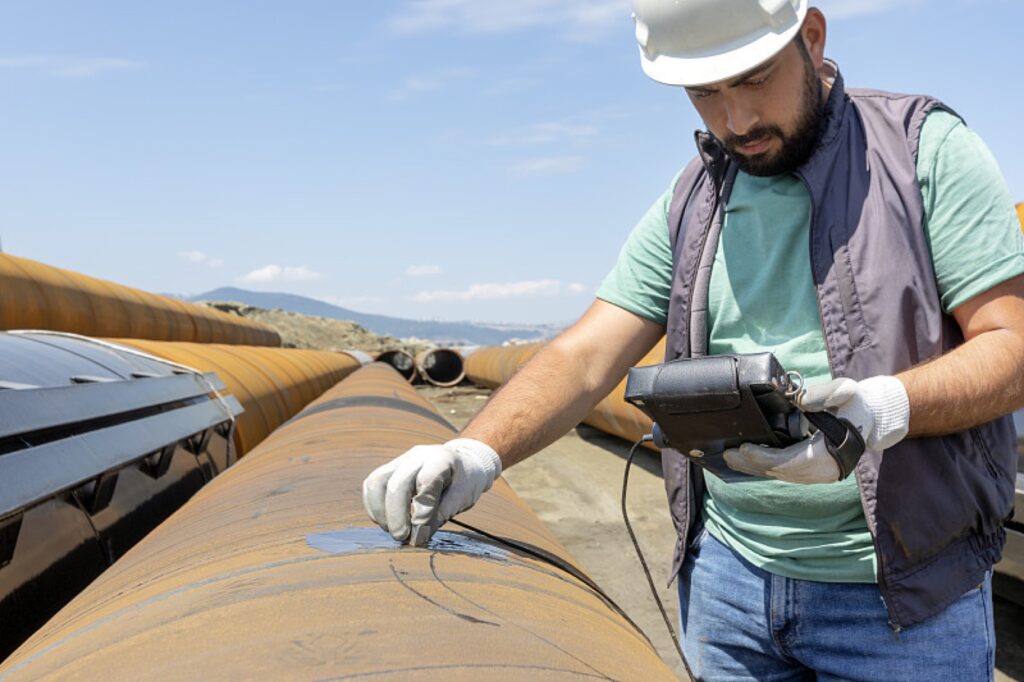
Non-Destructive Testing (NDT)
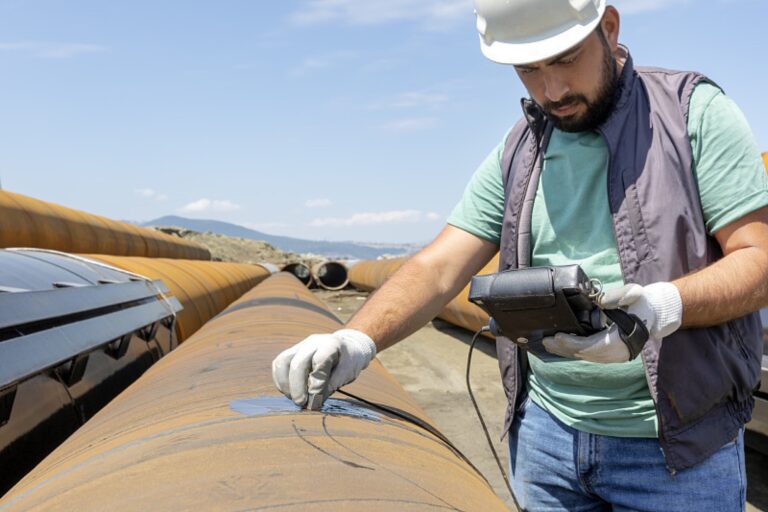
NDT protocols are operated by ISO 9712 / ASNT Level II certified NDT personnel. 100% of critical Complete Joint Penetration (CJP) welds undergo Ultrasonic Testing (UT per ISO 17640 / ASTM E164) or Magnetic Particle Testing (MT per ISO 17638 / ASTM E709). Radiographic Testing (RT) is applied as requested for heavy sections. Weld acceptance conforms strictly to ISO 11666 Acceptance Level 1 or AWS D1.1 criteria.
Trial Assembly & Shop Alignment
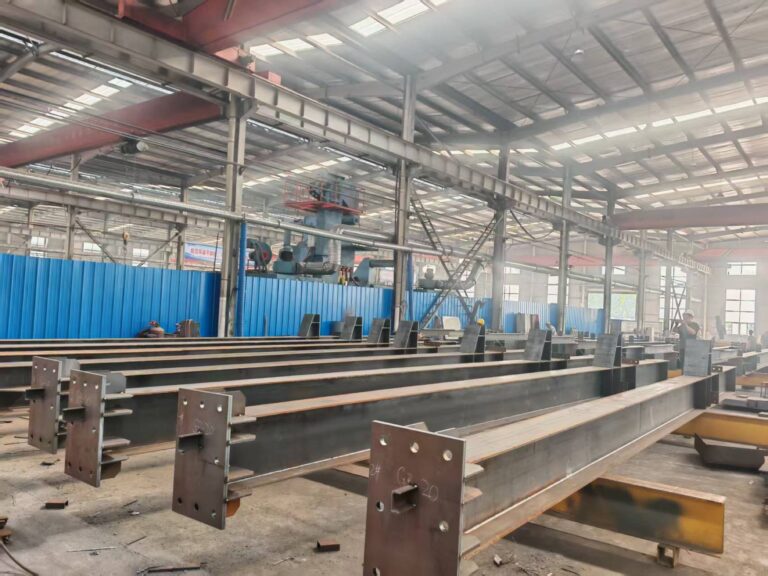
Complex geometries, long-span trusses, and heavy framing undergo 1:1 physical trial assembly or high-precision 3D laser scanning virtual assembly per EN 1090-2 / AISC requirements. Bolt hole alignment is verified (≥95% free-pass rate for high-strength bolts), and critical dimensions (span, camber, 3D spatial alignment) are verified within tight tolerance limits (±2.0 mm) to eliminate site fitting risks.
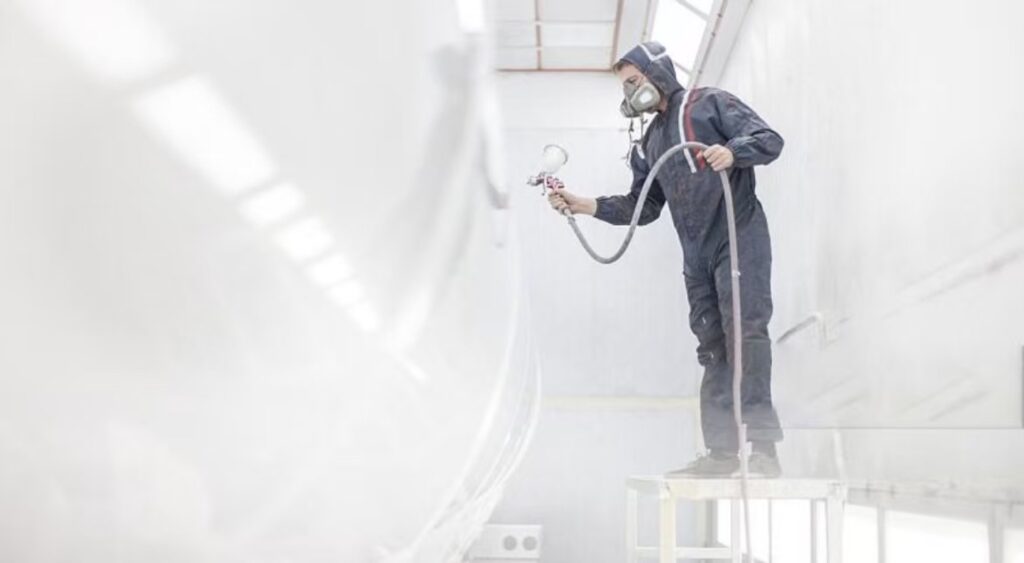
Surface Preparation & Protective Coating
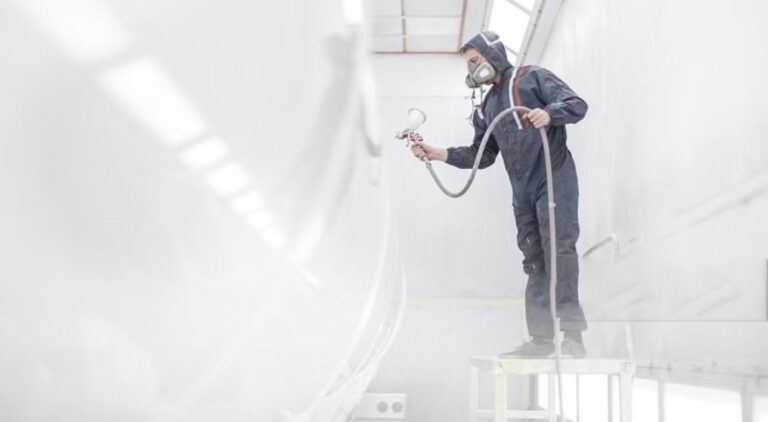
Structural members undergo automated shot blasting to achieve SSPC-SP10 / NACE No. 2 / ISO 8501-1 Sa 2.5 cleanliness, with a surface profile (anchor depth) of 45-75 microns. High-performance protective coatings are applied using airless spray technology in compliance with ISO 12944 (C3 to CX corrosive environments), featuring Zinc-Rich Epoxy Primers, Epoxy Micaceous Iron Oxide Intermediate coats, and Polyurethane/Fluorocarbon Topcoats. Dry Film Thickness (DFT) is verified adhering strictly to the 90/10 rule.
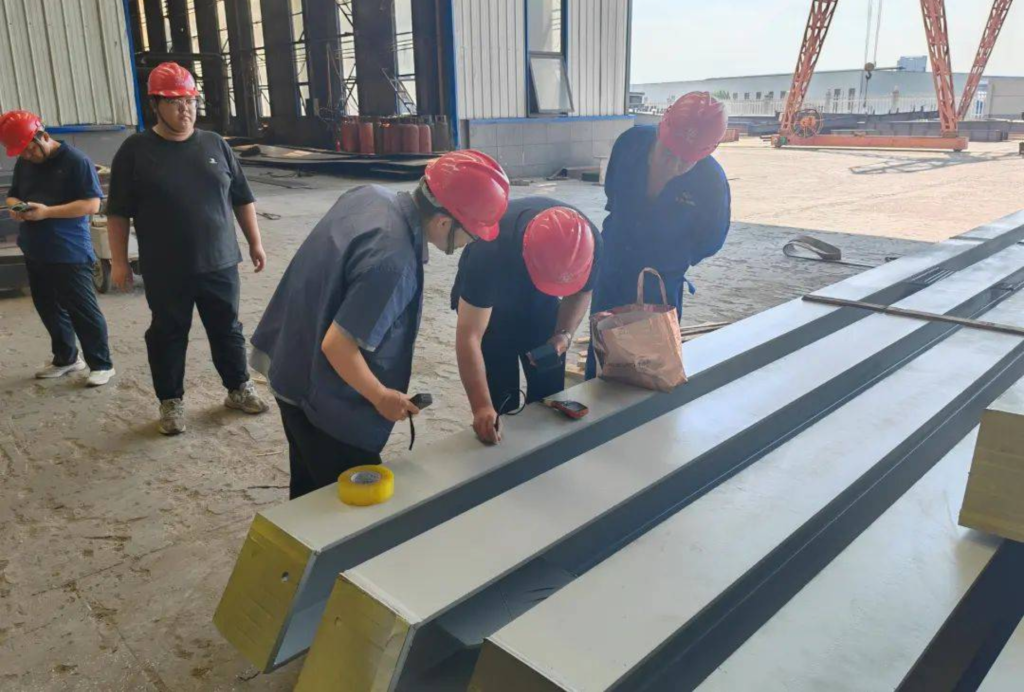
Final Quality Inspection & Certification
Final Quality Control (FQC) performs a comprehensive audit, inspecting paint aesthetics (zero runs, pinholes, sagging), critical geometry, bolt hole pitches, and component mark traceability. A complete Manufacturing Data Report (MDR) comprising MTRs, NDT records, coating inspection logs, and Certificates of Conformance is compiled to support CE Marking (DoP under EN 1090) and AISC final acceptance.
Export Packaging & Logistics Protection
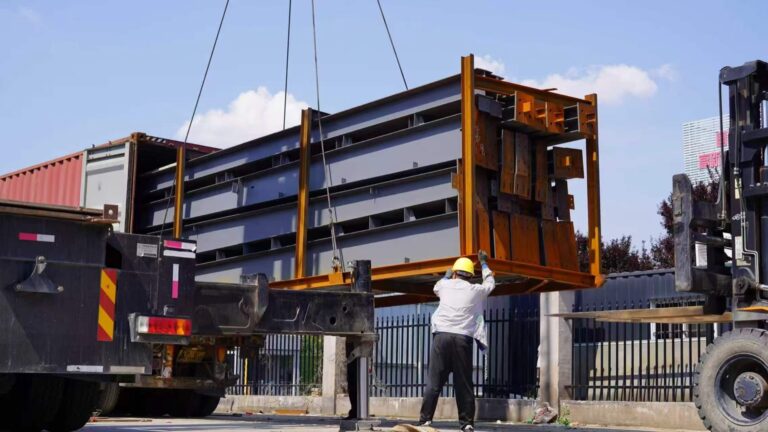
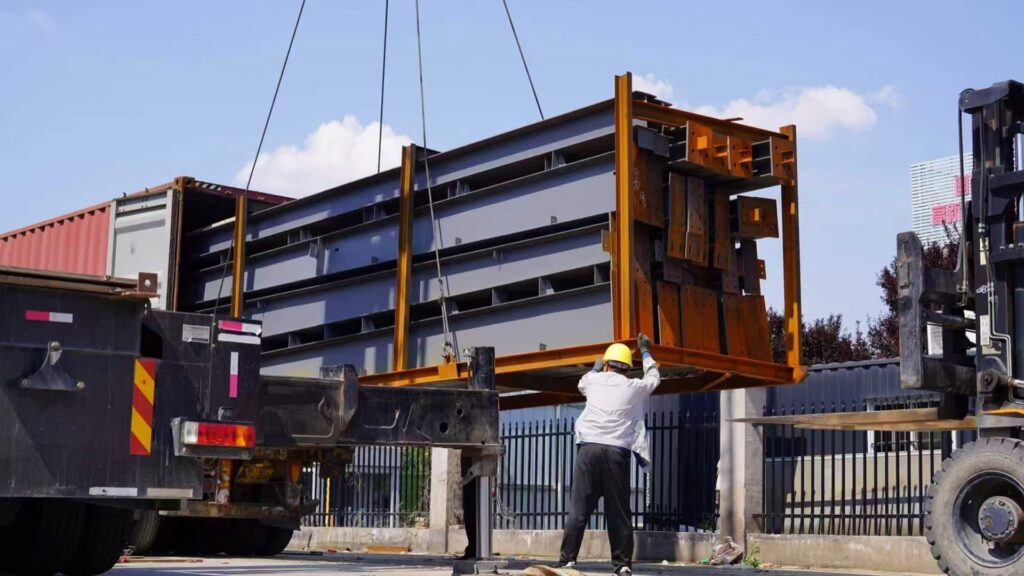
Protective packaging is engineered for containerized (40HQ/OT/FR) and breakbulk ocean freight under heavy maritime transit conditions. Structural members are bundled on heavy-duty steel skids with high-tensile steel strapping. Machined connections are wrapped with VCI anti-corrosion film, EPE foam padding, and heavy rubber cushions. All timber packing complies fully with ISPM 15 phytosanitary standards and IMO Cargo Stowage and Securing (CSS) rules.
Global Field Erection & Site Management
We deliver international site erection supervision and turnkey EPCM construction services adhering to OSHA 1926 safety protocols, AISC COSP, and EN 1090-2 erection standards. Field teams, led by multilingual HSE and QA/QC engineers, utilize high-precision total stations to maintain structural plumbness within H/1000 (25mm max). High-Strength Structural Bolting is executed via calibrated Wrench or Turn-of-Nut methods with 100% torque audit documentation.
Frequently Asked Questions
Do you fabricate tubular trusses for an airport terminal or railway station roof?
Yes. Send the roof plan, truss profiles and loads; circular pipe trusses are CNC-profiled, shop-welded in transport lengths and trial-assembled before shipping.
What span can a steel roof truss system reach without internal columns?
It depends on truss depth, chord sections and roof loads; the hangar and stadium scenes on this site show the range. Send the span and loads and we propose the truss type.
Pipe, angle or box truss — which do you recommend?
It follows the span, the exposure and whether the truss is visible. Circular pipe trusses look cleanest and shed water; angle trusses are the most economical for concealed spans; box sections carry the highest loads. Send the span and whether the structure is architecturally exposed.
Which design code do you fabricate to?
Whichever your design specifies. We work to AISC 360 or Eurocode 3 (EN 1993) for design intent, and execute to EN 1090-2 EXC2 under certificate 2787-CPR-01627. State the code in your enquiry and the quotation is issued against it.
Can you issue calculations our building authority will accept?
Yes. We provide English structural calculation reports with load combinations and 3D models. Where local regulations require a licensed local engineer to stamp the drawings, we supply the calculation package for their review.
What is a realistic lead time?
For a typical single-building scope the standard cycle is 40 to 50 days: 1–2 weeks from contract to 3D models and shop drawings for your approval, then 4–5 weeks for procurement, CNC fabrication, welding, coating and loading. Drawing approval is the part you control.
Do you supply the enclosure as well as the frame?
Yes. Roof and wall cladding, insulation, waterproofing, doors, windows, ventilation and drainage are quoted as one package — see Enclosure & Cladding Systems . Single-source supply removes the interface risk between frame and envelope.
How do we verify your certificates?
Ask us for the certificate together with its Document of validity — they are issued as an inseparable pair. We send both with the welding annex on request. Details are published on our certificates page .
Send Us Your Drawings or BOQ
Tell us the footprint, span, crane capacity and local loads — our engineering team reviews every request and replies with a preliminary assessment.
- Reviewed by our engineering team
- AISC certified · CE marked EN 1090-2 (EXC2)
- Mutual NDA available on request
🔒 100% Private and Secure, No Spam